Data Centre
Decommissioning Services
Across the UK
Decommissioning a data centre is more than removing equipment — it's a complex process involving careful planning, strict data security controls, environmental responsibility, and minimal disruption to your business.
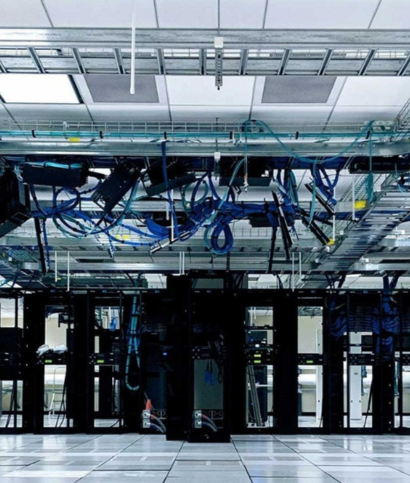
A Structured & Transparent
Decommissioning Process
The first step is a comprehensive inventory and assessment of all IT infrastructure within the facility. Every server, storage array, networking device, rack system, and peripheral component is carefully catalogued. Nothing is overlooked.
This detailed inventory allows for:
- ✓A clearly defined phased removal plan
- ✓Identification of all data-bearing devices
- ✓Structured dismantling procedures
- ✓Evaluation of reuse, resale, or recycling options
With a clear plan in place, the entire project runs smoothly, efficiently, and with full accountability. Whether you're relocating, consolidating operations, upgrading infrastructure, or closing a facility — every asset is handled securely and responsibly from start to finish.
Get A Quote
Our 5-Stage
Decommissioning Workflow
A proven, repeatable process built around your timeline, your data, and your compliance needs.
Inventory & Assessment
Every server, storage system and component is catalogued and assessed for reuse or recycling.
Phased Removal Plan
A detailed schedule built around your operations to minimise downtime and disruption.
Secure Data Destruction
Certified data wiping or physical destruction of all storage media before equipment leaves site.
De-racking & Transport
Controlled dismantling and GPS-tracked, insured transport to our secure processing facilities.
Reporting & Recycling
Full documentation, destruction certificates and WEEE-compliant recycling or remarketing.
Secure Data Handling
at Every Stage
Servers and storage systems often contain highly sensitive business information. Simply powering down equipment is not enough. Every data-bearing device must go through certified data sanitisation procedures before it leaves your site.
Our data security approach includes:
- ✓Secure data erasure using certified wiping methods
- ✓Physical destruction of storage media where required
- ✓Strict chain-of-custody controls
- ✓Full documentation of destruction processes
All procedures are carried out in accordance with recognised data protection standards and UK regulations, ensuring there is zero risk of data recovery. Your organisation remains protected from breaches, compliance penalties, and reputational damage.
Planned and Controlled Decommissioning
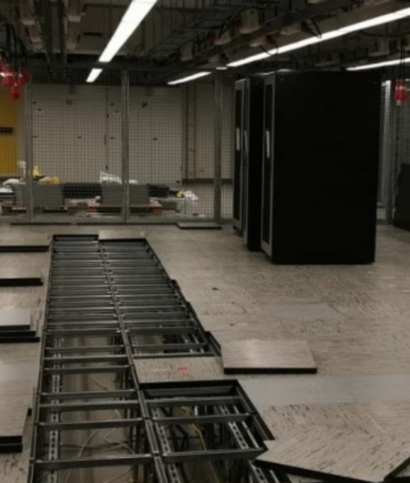
Data centre environments are complex. Equipment is interconnected, heavy, and often business-critical. Using structured planning and experienced technicians, hardware is carefully powered down, de-racked, and removed in a controlled sequence. Every step is coordinated to minimise operational disruption and avoid unnecessary downtime. The focus is always on safety, efficiency, and maintaining business continuity while the decommissioning takes place.
Compliance and Full Documentation
Regulatory compliance is a major consideration in any end-of-life IT project. All decommissioning activities are aligned with UK environmental regulations and data protection requirements. From secure handling of electronic waste to certified data destruction records, thorough documentation is provided throughout the process. This ensures transparency and gives your organisation clear proof that all assets were handled responsibly and lawfully.
Core Advantages of Our
Decommissioning Service
End-to-end decommissioning that protects your data, your compliance position, and your bottom line.
Security & Confidentiality
Certified data destruction and strict security protocols protect your organisation from breaches and compliance risks.
Compliance Assurance
All decommissioning activities align with UK environmental and data protection standards, backed by thorough documentation.
Minimised Disruption
Our team plans and schedules decommissioning to fit your IT operations, reducing downtime and operational impact.
Value Recovery
Functional IT assets are evaluated for remarketing, helping offset decommissioning costs and extend their useful life.
Data Centre Hardware
We Decommission
From single-rack server rooms to full multi-megawatt data centres, our team manages decommissioning of every type of infrastructure — with safety, security and full chain-of-custody at the core.
Common Decommissioning
Scenarios We Manage
Whatever drives your project, we deliver a tailored decommissioning plan that fits your timeline, compliance needs and value-recovery goals.
Data Centre Closure
Full site shutdown — complete strip-out of all IT infrastructure, racks, cabling and supporting systems with environmentally responsible processing.
Cloud Migration
Decommissioning on-premise infrastructure following migration to public, private or hybrid cloud — with secure data destruction guaranteed.
Site Relocation
Moving to a new facility? We manage the controlled decommissioning, transport and re-installation of your IT estate.
Hardware Refresh
Replacing legacy infrastructure with new hardware? Old equipment removed, data destroyed, value recovered where possible.
Plan Your Data Centre
Decommissioning With Confidence
Get a fast, no-obligation quote tailored to your project scope. Our team responds within 1 hour on business days — fully managed, fully compliant, fully insured.
Frequently Asked Questions
Everything you need to know about our data centre decommissioning services.
